Tire Size Calculator Guide: Understanding Your Vehicle’s Shoes
Whether you are looking to upgrade your vehicle’s appearance with larger rims or simply trying to find a cheaper alternative to your factory tires, understanding tire dimensions is crucial. A tire size calculator is the essential tool for any car enthusiast or daily driver looking to make a change without compromising safety or performance.
In this guide, we will break down how to read tire specs, why tire size comparison matters, and how to use a calculator to avoid common pitfalls like speedometer error.
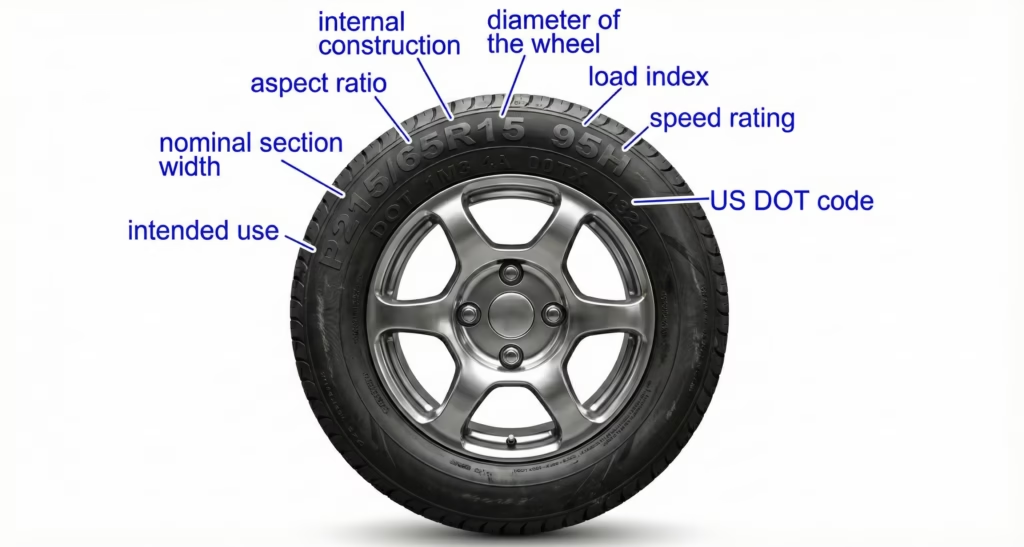
How to Read Your Tire Sidewall
Before you can use a calculator, you need to understand the code written on your current tires. A typical sequence looks like this: 205/55R16.
- Tire Width (205): This number represents the width of the tire in millimeters, measured from sidewall to sidewall.
- Aspect Ratio (55): This is perhaps the most misunderstood figure. It is the height of the sidewall expressed as a percentage of the tire width. In this example, the sidewall height is 55% of 205mm.
- Rim Diameter (16): This indicates the diameter of the wheel (rim) in inches that the tire is designed to fit.
Why Use a Tire Size Calculator?
Changing your tire size isn’t as simple as just picking a wider tire. Here is why using a specific tire diameter calculator is vital:
1. Speedometer Error
Your car’s speedometer calculates speed based on the rotation of your factory tires. If you switch to a tire with a larger overall diameter, your wheels will cover more ground per revolution than the computer expects. This results in your speedometer reading slower than you are actually traveling, which can lead to unintentional speeding tickets.
2. Wheel Clearance
A tire comparison tool will help you visualize if a new tire is too wide or too tall. Installing tires that are significantly larger than stock can cause rubbing against the suspension components or wheel well liners, especially during tight turns or when going over bumps.
3. Gear Ratio & Performance
Significantly changing the rolling circumference of your tires effectively changes your vehicle’s final gear ratio. Taller tires can make your car feel sluggish during acceleration, while shorter tires might increase RPMs at highway speeds, reducing fuel economy.
The Art of “Plus Sizing”
One of the most common reasons to use a calculator is for plus sizing. This is the practice of increasing the rim diameter while decreasing the sidewall height (aspect ratio) to maintain the same overall tire diameter.
- Benefit: A shorter sidewall generally provides better steering response and cornering stability.
- Drawback: It often results in a stiffer ride because there is less rubber to cushion the road.
Using the Calculator: What to Look For
When you input your stock size vs. your new size into a tire size comparison tool, pay close attention to the Diameter Difference.
- Green Zone: A difference of +/- 3% is generally considered acceptable for most vehicles.
- Red Zone: Anything beyond 3% requires caution. You may need to recalibrate your speedometer or modify your suspension.
Example Comparison
Let’s say you want to move from a 205/55R16 to a 225/45R17.
- Stock Diameter: ~24.9 inches
- New Diameter: ~25.0 inches
- Difference: 0.4%
This is a perfect “Plus One” upgrade. The diameters are nearly identical, meaning your speedometer reading will remain accurate, and your safety systems (like ABS and traction control) will function correctly.
Don’t guess when it comes to your vehicle’s safety. Always use a tire size calculator to verify fitment before you buy. Whether you are looking for metric tire sizes for a sedan or searching for off-road rubber, checking the section width and diameter variance ensures you get the perfect fit without the headache of rubbing tires or inaccurate gauges.
Discover more from Online Calculators | Free Calculator Tools
Subscribe to get the latest posts sent to your email.